

No product in cart!

Maria Carton Style Advisor
The Fashion Industry is the 2nd largest pollutant in the world after fossil fuel energy production and the 2nd largest pollutant of fresh water in the world, yet we hear so little about it.
It is hard to believe that the manufacture, retail, consumption, and disposal of clothes is not serving us, the planet or the little fingers and hearts that make our clothes.
This is an industry I have worked in happily my whole life and continue to do so but change needs to happen and we all have a part to play.
It is a mammoth Industry estimated to be worth 1.5trillion dollars globally with 1 in 6 people on the planet working in the industry.
The natural resources used in the production of fabrics are mind boggling. The production of Viscose requires the felling of 150 million trees annually, the production of Polyester requires 342 million barrels of oil annually.
But the biggest drain is on fresh water. The production of cotton which forms the basis of most of our clothes especially our jeans requires 10,000 to 15,000 litres of fresh water to produce just 1 pair of jeans from beginning to end, which involves growing the cotton (a very thirsty and toxic plant due to the use of pesticides), to cleaning and bleaching the cotton to dyeing and chemical treatments, which are repeated many times depending on finish.
This is not sustainable on any level. 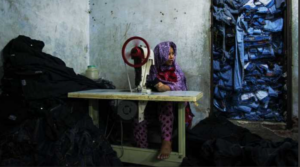
The hugely successful “business model” of Amancio Ortega (owner of Zara, 6th richest man in the world worth 78 billion usdollars) has been copied the world over. Simply put it’s a vertically integrated company whereby design, manufacture, retail, and marketing is all done in house. The clothes are produced in huge volumes, sold in huge volumes and with clever marketing, social media, and low prices has everyone buying more and more.
What has evolved with his “business model” being copied the world over is Fast Fashion. Too fast for anyone to keep up, too many clothes being produced, with quality and design sacrificed for price.
When something is cheap we don’t value it, when something is cheap it becomes easily disposable and when something is cheap we buy more of it and therein lies the problem. We are shopping more, accumulating more with little thought to what we really need or want because of PRICE.
How packed are your wardrobes? How many items still have the tags on? Do you still struggle to get dressed despite having 4 times more in your wardrobe than 20yrs ago? How often do you clear out your wardrobe only to start the cycle again!!!
We absolve ourselves by going to the charity shops which are packed full of clothes already or we give and receive clothes to family and friends…which we never wear. Recycling is a great option but currently only about 1% of clothes are recycled and considering it would take 12 years to recycle what H&M sell in 48hrs worldwide it is a mammoth task.
There are no easy solutions, the challenge is changing the mindset in how we produce, consume, and dispose of our clothes because planet earth can no longer continue to absorb our waste.
We all love to shop but we need to make it count.
We need longevity, quality, and good design in our clothes. Clothes that we want to hold on to and enjoy wearing, something we have forgotten, and the younger generations have never experienced.
We need to be prepared to pay more for this and we can achieve this by buying less.
Reducing, reusing and recycling is a short term answer to a long term problem while the fashion industry re calibrates and begins to pay for design, develop transparent/ethical manufacturing in regulated circumstances, using sustainable materials and delivering quality well-made desirable clothes for us the consumer.
Remember Climate change is about saving humanity…. Planet earth will survive and evolve but we will not.
For more info contact
mcthestylist@gmail.com
www.mariacartonstylist.ie


